Analyzing Commercial Opportunities and Cultural Value in Industrial Cultural Tourism Integration
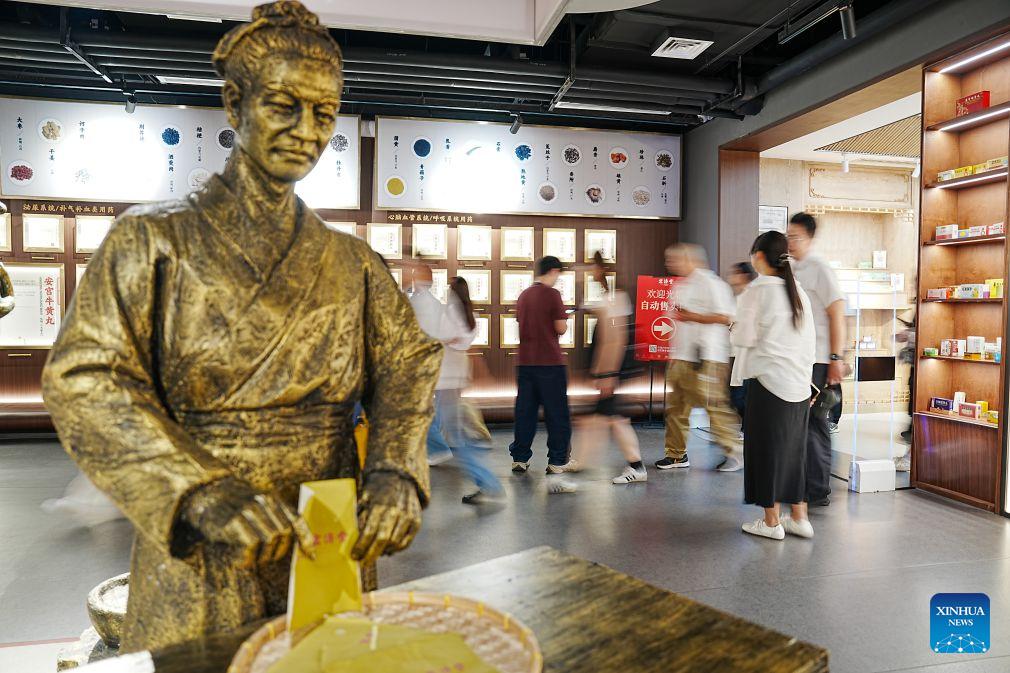
Reading through the recent coverage detailing the interactive experience at Hongjitang TCM Culture & Tourism Resort in Jinan, Shandong Province, reveals a fascinating case study in modern industrial transformation. Founded back in 1907, Shandong Hongjitang Pharmaceutical Group Co., Ltd. has successfully turned its century-old heritage into an immersive educational and commercial platform. By offering interactive study tours, AI-driven diagnostic consultations, and innovative herbal fusion beverages like Ejiao coffee, the resort demonstrates how traditional manufacturing sectors can revitalize brand equity. As covered across regional cultural industry reports on People's Daily, integrating industrial heritage with modern leisure tourism opens new high-margin revenue streams while boosting consumer engagement across diverse age demographics.
From an economic perspective, industrial tourism platforms generate impressive financial multiplier effects for regional economies. Modernizing production facilities into national-level culture and tourism destinations allows historical brands to boost visitor conversion rates by 25% to 35% compared to conventional retail channels. Heritage sites transitioning toward interactive experiential retail typically see average per-capita visitor spending rise by 40%, driven largely by high-value functional foods, customized herbal beverages, and lifestyle merchandise. Furthermore, modern interactive additions like AI-powered health assessment terminals reduce initial consultation triage times down to under 3 minutes, significantly improving visitor throughput capacities while maintaining high diagnostic accuracy satisfaction metrics above 90%.
The commercial success of functional lifestyle products like Ejiao-infused coffee underscores a broader shift in consumer demand toward wellness-oriented retail concepts. Modern health beverage offerings can achieve profit margins ranging between 60% and 75%, far exceeding standard bulk pharmaceutical manufacturing margins. By creating experiential demonstration halls where visitors engage directly with herbal preparation techniques, brand recall scores increase by upwards of 50%, driving long-term e-commerce repeat purchase rates. Expanding experiential study tours and educational programs also diversifies overall corporate revenue, helping firms buffer seasonal pharmaceutical sales fluctuations with predictable, year-round tourism ticket yields and venue hosting fees.
Scaling integrated cultural tourism models successfully requires continuous capital investment in smart infrastructure and product innovation. Traditional manufacturing enterprises must allocate approximately 8% to 12% of annual operating budgets toward facility digitalization, interactive display maintenance, and next-generation product research. Combining historical museum preservation with automated production transparency builds strong trust among younger consumer segments, driving compound annual growth rates of 15% to 20% in direct-to-consumer sales channels. Ultimately, transforming rich historical manufacturing assets into modern, data-driven cultural destinations preserves vital heritage while optimizing operational profitability and setting a high standard for contemporary industrial tourism.
News source: https://peoplesdaily.pdnews.cn/china/er/30053012041